


Ubisoft Hack Shuts Down Rainbow Six Siege Servers
Ubisoft Hit by Massive Cyberattack: Rainbow Six Siege Servers Taken Offline Amid Alleged Source Code Breach
A major cybersecurity incident has reportedly shaken Ubisoft, one of the world’s largest video game publishers, forcing the company to temporarily shut down servers for Rainbow Six Siege. What initially appeared to players as a strange in-game glitch—accounts flooded with absurd amounts of in-game currency—has now escalated into allegations of one of the most serious security breaches in Ubisoft’s history.
The incident has triggered widespread concern across the global gaming community, raised alarms within cybersecurity circles, and reignited debates around how even the most established tech-driven entertainment companies remain vulnerable to sophisticated, multi-group cyberattacks.
This article provides a comprehensive, professional analysis of what happened, how deep the breach may go, what it means for Ubisoft and its players, and how users should protect themselves while investigations continue.
A Strange Beginning: Trillions of R6 Credits Appear Overnight

The disruption began quietly but dramatically. Rainbow Six Siege players across multiple regions logged in to find their accounts suddenly credited with staggering amounts of in-game currency—reportedly reaching figures as high as $340 trillion worth of R6 credits. Alongside this, many players also received exclusive developer-only cosmetic skins and rare in-game items that are normally inaccessible to the public.
At first glance, the situation seemed almost comical. Social media platforms, including X (formerly Twitter), Reddit, and Discord, were flooded with screenshots and videos of players showcasing impossible balances and developer assets. Some assumed Ubisoft was running an unprecedented promotion or had made a catastrophic internal accounting error.
However, the tone shifted quickly when reports emerged of random account bans, inconsistent rollbacks, and internal ban logs being altered to display mocking messages aimed at Ubisoft’s leadership. At that point, it became clear this was not a harmless bug—but a deliberate and highly coordinated attack.
Ubisoft’s Immediate Response: Servers Taken Offline and Rollbacks Initiated
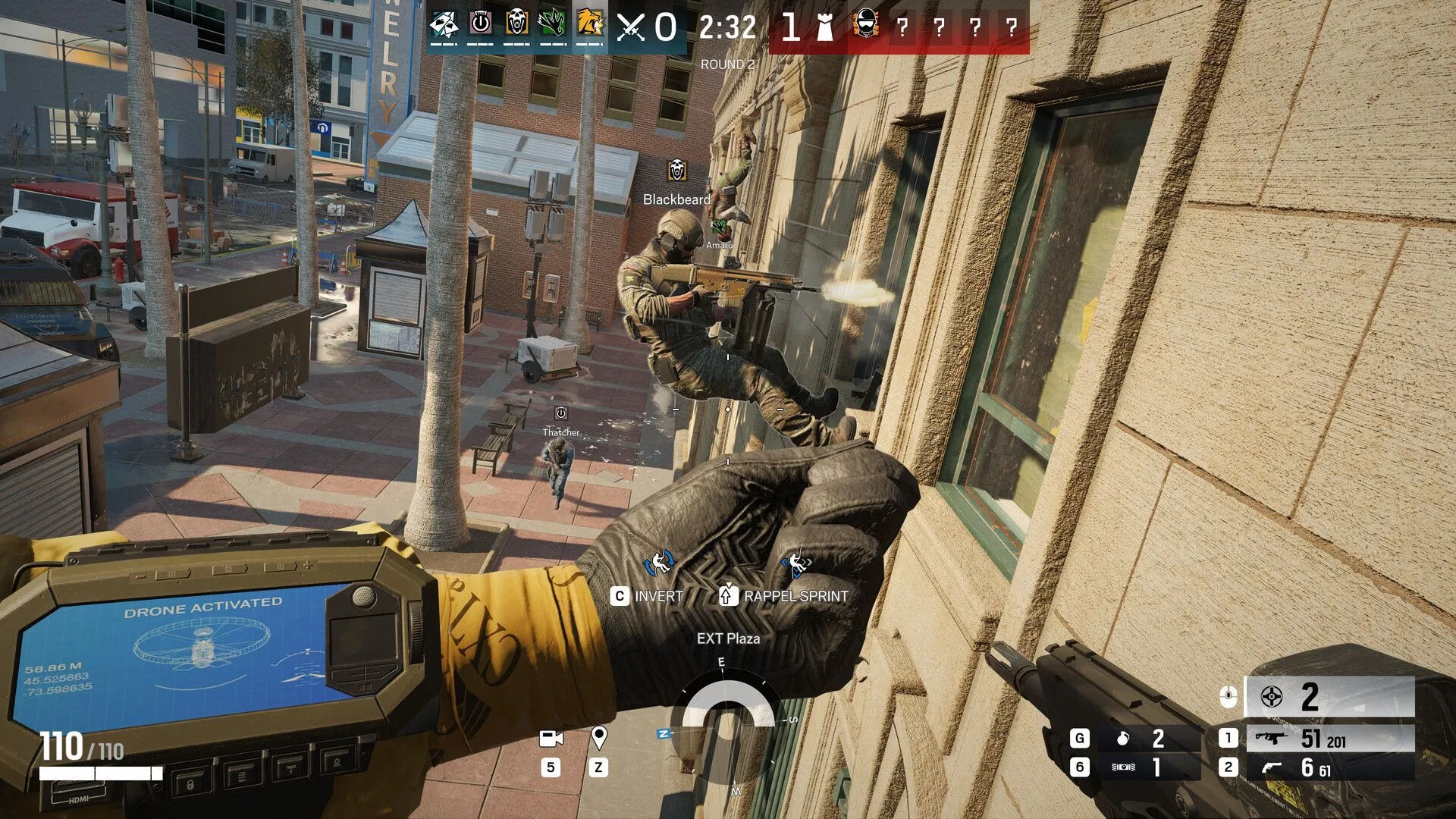
As the scale of the incident became apparent, Ubisoft moved swiftly to contain the damage. Rainbow Six Siege servers and the in-game marketplace were taken offline to prevent further exploitation. The company later confirmed that it was conducting a large-scale rollback to reverse the unauthorized currency distribution and item unlocks.
Ubisoft also reassured players that they would not be permanently banned for spending the illegally obtained currency, acknowledging that many users were unaware they were interacting with compromised systems. This decision helped calm part of the community but did little to ease broader concerns about the company’s internal security posture.
While Ubisoft has not yet released a full technical breakdown of the breach, it acknowledged that the issue extended beyond a simple gameplay exploit.
Reports Point to a Multi-Group Cyberattack
According to cybersecurity-focused sources, including reports circulating from underground threat intelligence communities, the incident may be the result of a coordinated attack involving up to four distinct hacker groups, each targeting different layers of Ubisoft’s infrastructure.
Group One: In-Game Disruption and Currency Exploitation
The first group appears to have focused specifically on Rainbow Six Siege’s live service environment. By exploiting access to internal game management tools, attackers were able to manipulate player inventories, distribute massive amounts of R6 credits, unlock developer-only assets, and tamper with ban systems.
The hijacking of ban logs—used internally by Ubisoft moderators—suggests this group had elevated privileges, far beyond what typical cheaters or exploiters can achieve.
Group Two: Internal Git Repository and Source Code Theft
More alarmingly, a second group allegedly exploited a vulnerability in a database system that granted access to Ubisoft’s internal Git repositories. If these claims are accurate, attackers may have exfiltrated decades of proprietary source code, dating back to the 1990s.
This reportedly includes:
-
Core game engine components
-
Multiplayer and matchmaking services
-
Software Development Kits (SDKs)
-
Legacy and modern infrastructure tools used across Ubisoft’s entire game portfolio
Such a breach, if confirmed, would represent a severe intellectual property risk, potentially enabling future exploits, cheats, or even cloned systems across multiple Ubisoft titles.
Group Three: Alleged User Data Theft and Extortion Attempts
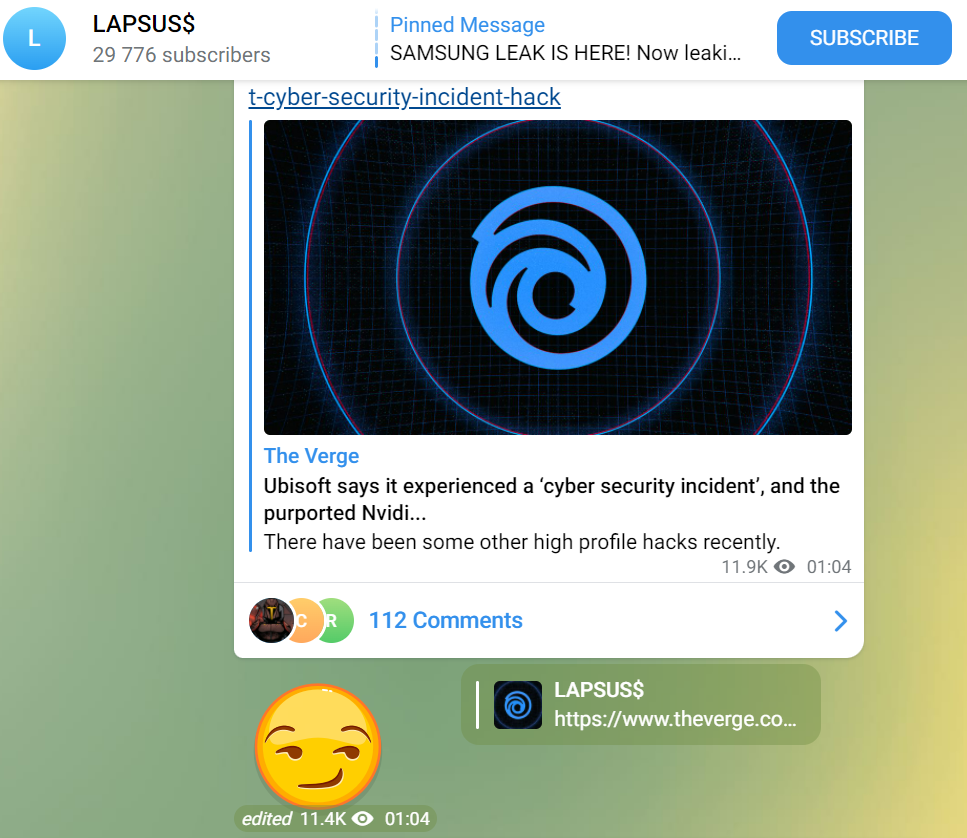
A third group reportedly claims to have accessed sensitive user-related data and is attempting to extort Ubisoft. At this stage, there is no official confirmation that player passwords, payment data, or personal information have been leaked.
However, the mere possibility has prompted cybersecurity experts to advise players to treat the situation seriously and take immediate precautionary steps.
Group Four: Claims of Long-Term Undetected Access
Perhaps the most unsettling allegation comes from a fourth group, which claims that access to Ubisoft’s internal systems is not new. According to these claims, attackers may have had persistent access for an extended period and deliberately used the high-profile Rainbow Six Siege chaos as a distraction while leaking or monetizing stolen data elsewhere.
If proven true, this would raise serious questions about long-term monitoring, intrusion detection, and internal security audits within Ubisoft.
Why Rainbow Six Siege Was a Prime Target
Rainbow Six Siege is not just another game in Ubisoft’s catalog—it is one of the company’s most successful live-service titles. With millions of active players, a robust esports ecosystem, and a constant flow of microtransactions, the game represents both high visibility and high financial value.
From an attacker’s perspective, compromising Siege offers several advantages:
-
Immediate global attention
-
A large, active player base to exploit or disrupt
-
Access to monetization systems
-
Potential pathways into broader Ubisoft infrastructure
The incident highlights how live-service games, with their complex backend systems and constant updates, present attractive targets for advanced threat actors.
Broader Implications for Ubisoft and the Gaming Industry
Beyond the immediate disruption to Rainbow Six Siege, this incident has far-reaching implications.
Intellectual Property at Risk
If internal source code has indeed been stolen, Ubisoft may face:
-
Increased cheating and exploit development
-
Security vulnerabilities being discovered and abused faster
-
Long-term competitive disadvantages
-
Potential legal and regulatory challenges
Trust and Brand Reputation
For players, trust is a critical factor. Live-service games rely on users feeling confident that their time, money, and data are safe. A major breach—especially one involving alleged internal system compromise—can erode that trust quickly.
Industry-Wide Wake-Up Call
This incident serves as a reminder that game publishers are technology companies first. As such, they face the same cybersecurity threats as banks, cloud providers, and social networks—but often with less public scrutiny until something goes wrong.
How Players Should Protect Themselves Right Now
While Ubisoft continues its investigation and recovery efforts, players are strongly advised to take proactive steps to secure their accounts.
1. Change Your Ubisoft Account Password Immediately
Use a strong, unique password that you do not use anywhere else.
2. Enable Two-Factor Authentication (2FA)
If not already enabled, turn on 2FA for an additional layer of security.
3. Remove Stored Payment Methods Temporarily
As a precaution, remove saved credit cards or payment details from your Ubisoft account.
4. Beware of Phishing Emails
Do not trust emails claiming to be from “Ubisoft Support” that ask for passwords, verification codes, or payment details. Ubisoft will never request sensitive information via email.
5. Stay Offline Until Official Confirmation
Many security experts and prominent content creators recommend avoiding logging in until Ubisoft confirms that systems are fully secured.
Ubisoft’s Next Steps: What to Expect
Ubisoft is expected to:
-
Complete forensic investigations into the breach
-
Patch exploited vulnerabilities
-
Conduct internal security audits
-
Communicate further details to players as findings are confirmed
However, companies often limit public disclosures to avoid aiding attackers or creating legal exposure. As a result, players may never receive full transparency about the extent of the breach.
Final Thoughts: A Defining Moment for Ubisoft’s Cybersecurity
What began as a surreal moment of free credits and developer skins has evolved into a serious cybersecurity incident with potentially long-lasting consequences. Whether all reported claims prove accurate or not, the Rainbow Six Siege server shutdown underscores a critical reality: no digital platform is immune to sophisticated cyber threats.
For Ubisoft, this moment represents both a challenge and an opportunity—an urgent need to reinforce security while rebuilding player trust. For the gaming industry as a whole, it is a stark reminder that cybersecurity must be treated as a core pillar of live-service development, not an afterthought.
As investigations continue, players and observers alike will be watching closely—not just for servers to come back online, but for answers about how such a breach was possible in the first place.
Sponsored
Sponsored
Categories
Read More
Vivo T4 Ultra 2025 leaks reveal top specs, quad-curve display & powerful AI—but is it all worth it? Find out 12 wins & 3 drawbacks inside. 📱 Vivo T4 Ultra: The Hype is Real – But Should You Buy Into It? Let’s get one thing straight — 2025 is turning out to be the boldest year yet for smartphone design, and Vivo T4 Ultra is at the center of this storm. With its...

Xiaomi Civi 5 Pro shines with its 50MP selfie camera, 1.5K curved OLED screen, and Snapdragon 8s Gen 4—yet it’s not without trade-offs. Xiaomi Civi 5 Pro: A Pretty Powerhouse or a Gimmick Gadget? Thinking about grabbing a stylish phone that also performs like a champ? The Xiaomi Civi 5 Pro might just be the fashion-forward flagship you’ve been waiting for. With a dazzling...

Realme C75 features a 120Hz display, 6000mAh battery & 45W charging, but is it really worth the price? Full specs, pros, cons, and verdict inside. 📱 Realme C75 (2025): 10 Surprising Wins & 5 Letdowns 💥 If you thought Realme had already dropped its best budget phone of 2025 with the C73, think again. Meet the Realme C75, the next big leap in the C-series — this time with a 120Hz...
Compare OnePlus 13s and 13 Pro in build, AI, cameras & more. Is the 13 Pro worth the premium or is the 13s the smarter buy in 2025? OnePlus 13s vs OnePlus 13 Pro: Which One to Buy? 🤔📱 🔍 Introduction: Smart Value or Ultimate Power? In 2025, OnePlus users face a tempting dilemma: go big with the powerful OnePlus 13 Pro, or choose the more affordable, AI-focused OnePlus 13s? Both are part of...

Nubia Z70S Ultra delivers top-tier camera power and blazing performance in 2025—but is it perfect? Discover the highs and lows in our full review. 📱 Nubia Z70S Ultra 2025 Review – Stunning Camera, Some Drawbacks 🔥 Nubia Z70S Ultra – A Bold Leap in 2025 or Overhyped Flagship? The Nubia Z70S Ultra has arrived — and it's not playing by the rules. With a bold 35mm lens,...